
09 Jan What is the Statement of Information and Why Do Nonprofits Track It?
Short Answer
The Statement of Information is a biennial filing with the California Secretary of State that updates public records showing a nonprofit’s current directors, principal office address, registered agent, and chief executive officer information. California nonprofits must file this statement every two years during the calendar month their Articles of Incorporation were originally filed, and tracking this deadline matters critically because failure to file triggers suspension, loss of “Active” status, and inability to conduct legal business or access grant funding. Eligibility for most grants requires current Statement of Information compliance, making this seemingly administrative filing essential for maintaining fundable status.
What exactly is the Statement of Information and what does it accomplish?
The Statement of Information is California’s mechanism for keeping public corporate records current with accurate, up-to-date information about who runs each nonprofit and where it operates. When you originally filed Articles of Incorporation to create your nonprofit, you provided initial information about directors, officers, and addresses. The Statement of Information updates that snapshot every two years, reflecting changes in leadership, locations, or registered agents that have occurred since formation or the last filing.
This filing serves multiple public purposes. It allows anyone conducting business with your nonprofit to identify current leadership and verify where to send legal notices. It enables government agencies to contact appropriate representatives when compliance issues arise. It provides potential donors and grant makers with confidence that organizational information is current and accurate. Most importantly for Riverside and Inland Empire nonprofits, it’s the filing that maintains your “Active” status with the Secretary of State—the status funders verify before releasing grants.
The Statement of Information requires specific categories of information: names and addresses of current directors, the principal office address where corporate records are maintained, the registered agent name and street address for receiving legal service of process, the chief executive officer name and address, and designation of the type of business. While the information itself is straightforward, the significance lies in the legal requirement to keep it current and the consequences of allowing the filing to lapse.
For nonprofits incorporated in California, this isn’t optional administrative paperwork—it’s a statutory filing requirement tied directly to your corporate existence. The California Corporations Code mandates biennial filing, establishes specific timing requirements, and authorizes suspension and eventual involuntary dissolution for organizations that fail to comply. Understanding this legal context helps explain why grant makers consider Statement of Information status a fundamental compliance checkpoint.
Why does the biennial filing schedule create tracking challenges for nonprofits?
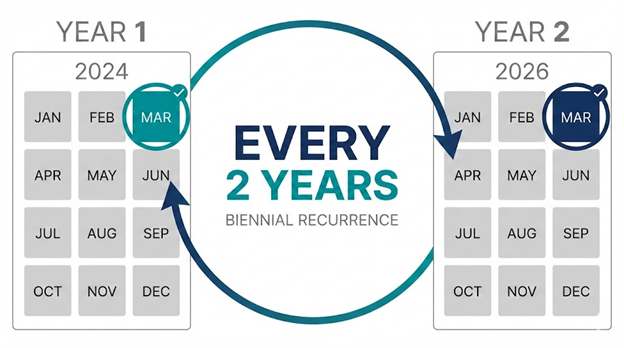
Unlike annual filings that happen on a consistent date every year, the Statement of Information operates on a biennial cycle keyed to your original incorporation date. If your nonprofit filed Articles of Incorporation in March 2020, you must file Statement of Information updates in March 2022, March 2024, March 2026, and so on. The calendar month determines your filing window—you must file during that specific month every two years.
This biennial timing creates several tracking complications. First, the deadline only comes around half as often as annual obligations, making it easier to forget between cycles. Second, different nonprofits have different filing months depending on when they incorporated, so you can’t rely on general reminders or common deadlines that work for all California organizations. Third, a two-year gap between filings means leadership turnover often occurs between submissions, and new board members or staff may not be aware the obligation exists.
Many Riverside nonprofits discover Statement of Information problems only when conducting status checks for grant applications. They filed their initial Statement of Information after incorporating, assumed that satisfied the requirement permanently, and never realized biennial updates were mandatory. Years pass, the filing becomes overdue, the Secretary of State suspends the entity, and suddenly the nonprofit can’t open bank accounts, enter contracts, or receive grant funds until they cure the delinquency and pay associated penalties.
Calendar management becomes critical. Successful nonprofits either establish perpetual calendar reminders recurring every two years in their filing month, or they assign Statement of Information tracking as a specific board or staff responsibility with documented procedures. Some organizations file slightly early—California allows filing up to three months before the due month—to avoid last-minute rushes or processing delays that could result in late penalties.
Framework: Launch → Fix → Fund + Federal Recognition + CA Compliance Triangle
The Nonprofit Launch Office operates within a strategic framework designed to help California nonprofits move from formation to fundability:
Launch means understanding Statement of Information requirements from day one and establishing tracking systems immediately after incorporation. Your first Statement of Information deadline arrives approximately two years after filing Articles of Incorporation, during the same calendar month. Setting that initial calendar reminder as part of launch procedures prevents the forgotten filing that triggers suspension down the road.
Fix addresses situations where nonprofits have missed Statement of Information deadlines, been suspended by the Secretary of State for noncompliance, or let multiple biennial cycles pass without filing. Restoration requires filing all overdue Statements of Information, paying late fees and penalties, and requesting reinstatement to Active status. During suspension, your nonprofit cannot legally conduct business in California and funders will reject grant applications immediately.
Fund focuses on maintaining continuous Statement of Information compliance so Secretary of State status checks always show “Active” without any suspension flags. This means tracking your specific biennial filing month, monitoring for Secretary of State notices about upcoming deadlines, filing on time every cycle, and verifying that filings processed correctly by checking entity status after submission. Fund-lane work treats Statement of Information compliance as routine governance maintenance.
Federal Recognition means securing and maintaining IRS determination of 501(c)(3) status, which provides the foundation for grant eligibility but doesn’t eliminate state-level filing requirements like Statement of Information. Federal recognition and state corporate compliance operate on separate tracks—you need both simultaneously. Many nonprofits maintain excellent federal compliance while inadvertently falling out of state compliance through missed Statement of Information filings.
CA Compliance Triangle represents the three-agency verification system unique to California. Statement of Information is the Secretary of State’s corner of this triangle—the filing that determines whether your corporate entity remains “Active” and in good standing. The other two corners (Franchise Tax Board exemption and Attorney General Registry registration) have their own filing schedules, but Statement of Information is uniquely important because suspension by the Secretary of State can prevent you from conducting any legal business in California.
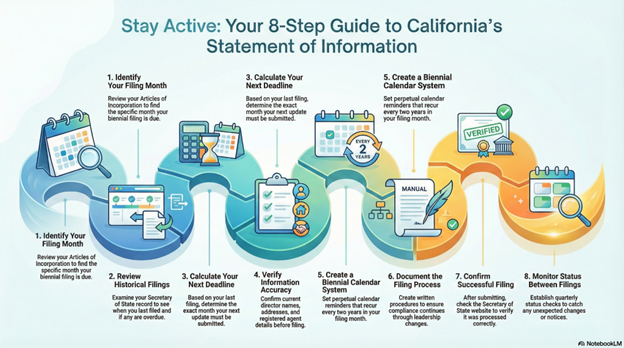
Step-by-step: How NPLO helps track and maintain Statement of Information compliance
Step 1: Filing Month Identification We identify your nonprofit’s specific Statement of Information filing month by reviewing your Articles of Incorporation filing date or checking Secretary of State records. This establishes the calendar month when your biennial obligation recurs. Knowing your filing month is the foundation of effective tracking.
Step 2: Historical Filing Review We examine your Secretary of State entity record to determine when you last filed Statement of Information and whether any filings are currently overdue. This historical view reveals whether you’re on schedule, approaching a deadline, or already delinquent. Many Riverside nonprofits discover they’ve missed multiple cycles during this assessment.
Step 3: Next Deadline Calculation We calculate your next Statement of Information deadline based on your filing month and last submission date. Since filings are due biennially, this determines the exact month when your next update must be submitted. We document this deadline prominently in your compliance calendar with advance notice periods.
Step 4: Information Accuracy Verification We review the information that will appear on your next Statement of Information—current director names and addresses, principal office location, registered agent details, CEO information—to ensure accuracy before filing. Discovering that your registered agent resigned or your office moved requires addressing those changes before or during the Statement of Information submission.
Step 5: Biennial Calendar System Creation We establish perpetual calendar reminders recurring every two years in your filing month, with advance notices at 90 days, 60 days, and 30 days before the deadline. This multi-level reminder system prevents the forgotten filing that triggers suspension. Calendar entries include specific filing instructions and links to the Secretary of State portal.
Step 6: Filing Process Documentation We create documented procedures for completing and submitting Statement of Information, including gathering required information, accessing the Secretary of State filing system, paying filing fees, and obtaining confirmation of acceptance. Written procedures ensure that filing responsibility can transfer smoothly when staff or board leadership changes.
Step 7: Confirmation and Verification Protocol After filing Statement of Information, we verify that the Secretary of State processed the submission by checking entity status and confirming the filing appears in your corporate record. This catch step ensures that technical problems or processing errors didn’t prevent successful completion despite your submission.
Step 8: Status Monitoring Between Filings We establish quarterly Secretary of State status checks even in years when Statement of Information isn’t due, catching any unexpected changes or notices that might affect your Active status. This ongoing monitoring prevents surprises when you need to verify status for grant applications.
Checklist: What you should have ready before you apply
Having these items organized ensures Statement of Information compliance doesn’t become a last-minute obstacle when grant opportunities emerge:
- Incorporation date and filing month clearly documented so you know when biennial obligations occur
- Most recent Statement of Information confirmation showing the date of your last successful filing
- Current director roster with complete names and residential or business addresses for all sitting directors
- Principal office address where corporate records are maintained, updated if your location changed since last filing
- Registered agent information including current agent name and California street address for service of process
- Chief executive officer details with complete name and address of the person serving in this capacity
- Secretary of State entity number for quick access to your corporate record when checking status or filing updates
- Calendar system with perpetual biennial reminders set for your specific filing month plus advance notices
- Filing fee payment method ready since Statement of Information requires payment (currently $20 for California nonprofits)
- Secretary of State portal credentials if using online filing, or familiarity with paper filing procedures if preferred
- Board resolution or authorization documenting who has authority to file Statement of Information on behalf of the organization
- Change documentation for any updates to directors, addresses, or registered agent that need to be reflected in the filing
- Confirmation retention system for storing Statement of Information receipts and processing confirmations
- Status verification routine for checking Secretary of State entity record quarterly to ensure Active status persists
- Contact information for the Secretary of State’s business entities division in case questions arise during filing
Quick Answers (PPA)
What happens if I miss the Statement of Information deadline? Missing your Statement of Information deadline triggers a suspension process by the Secretary of State. Initially, you may receive notices warning that filing is overdue. If you continue not filing, the Secretary of State suspends your entity, changing your status from “Active” to “Suspended.” During suspension, your nonprofit cannot legally conduct business in California, funders will reject grant applications, and you cannot enforce contracts or defend lawsuits. Curing suspension requires filing all overdue Statements of Information and paying late penalties, which can add significant costs beyond the standard filing fee.
Can I file Statement of Information early or do I have to wait for my filing month? California allows early filing of Statement of Information up to three months before your designated filing month. Many Riverside nonprofits use this window strategically, filing in the month or two before their deadline to avoid last-minute complications. Early filing is particularly useful if you’re preparing grant applications that will be submitted during your filing month—you can complete the Statement of Information early, verify processing, and have clean Active status when funders conduct verification checks.
Does Statement of Information filing cost money and who pays it? Yes, Statement of Information filing requires a fee paid to the California Secretary of State. The current fee for California nonprofit corporations is $20, though fees can change and you should verify the current amount when filing. The filing fee is a legitimate organizational expense paid from nonprofit operating funds. Some organizations budget this as a biennial expense, while others include it in general compliance or administrative budgets. The fee is separate from any penalties that may apply for late filing.
If my board composition hasn’t changed, do I still need to file Statement of Information? Yes, absolutely. Statement of Information filing is mandatory every two years regardless of whether any information changed since your last filing. Even if your directors, addresses, and registered agent remain identical, you must submit the biennial update confirming that information is still current. The filing itself is the compliance requirement—the Secretary of State needs the periodic confirmation, not just notification of changes. Failing to file simply because “nothing changed” still results in suspension.
How do I know if my Statement of Information was processed successfully? After submitting Statement of Information, you can verify successful processing by checking your entity status through the Secretary of State’s business entity search. Search for your nonprofit using your entity number or exact legal name. The entity detail page should show your most recent Statement of Information filing date, and your status should remain “Active” without suspension flags. Allow a few business days for processing—if you check immediately after submitting, the update may not appear yet. Keep your filing confirmation receipt as proof of submission in case processing questions arise.
What to do next (DIY vs Done-With-You)
DIY approach: Look up your nonprofit’s incorporation date from your Articles of Incorporation or Secretary of State entity record—the month of incorporation is your biennial Statement of Information filing month. Calculate when your next filing is due (the same month every two years). Set perpetual calendar reminders recurring biennially in that month, with advance notices at 90, 60, and 30 days. Gather current information about your directors, principal office, registered agent, and CEO. Visit the California Secretary of State website, locate the Statement of Information filing portal, and prepare to file during your designated month. Budget for the filing fee. After filing, verify that the Secretary of State processed your submission by checking entity status a week later.
Done-With-You approach: The Nonprofit Launch Office provides Statement of Information tracking and filing support as part of comprehensive California compliance services. We identify your specific filing month based on incorporation records, review historical filing compliance to catch any overdue submissions, calculate next deadline dates and establish advance reminder systems, verify information accuracy before filing, prepare and submit Statement of Information filings on your behalf, coordinate payment of required fees, confirm successful processing through Secretary of State verification, and maintain ongoing monitoring of your entity status between filing cycles. This approach is particularly valuable for Riverside and Inland Empire nonprofits where board turnover creates institutional knowledge gaps about biennial filing requirements, or where tracking multiple compliance obligations across different agencies becomes overwhelming for volunteer leadership.
Contact
Book: https://thedocumentpro.com/
Call: 1(800) 285-0078
Email: mydocumentpro@gmail.com
The Nonprofit Launch Office™ — a discipline of The Document Pro, operated by Gitta Williams.
Operated by The Document Pro (Gitta Williams)
Sources
Disclaimer
Document preparation and nonprofit readiness support — not legal or tax advice.